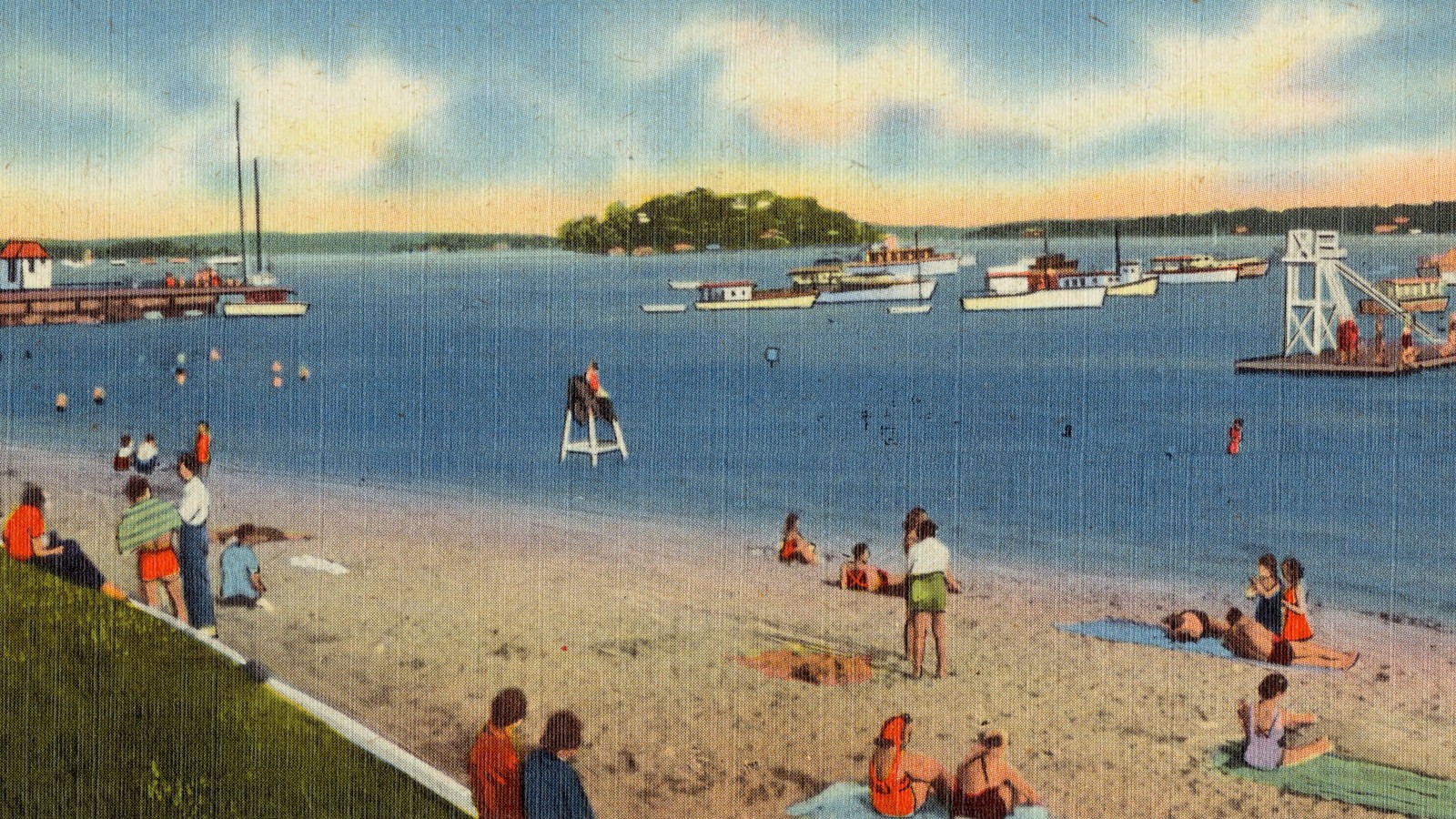
Onset in Wareham began in 1877 as a Spiritualist camp meeting grove in the oaks above the bay and grew into a summer village of cottages, hotels, trolley trips, bathing beaches and band music.
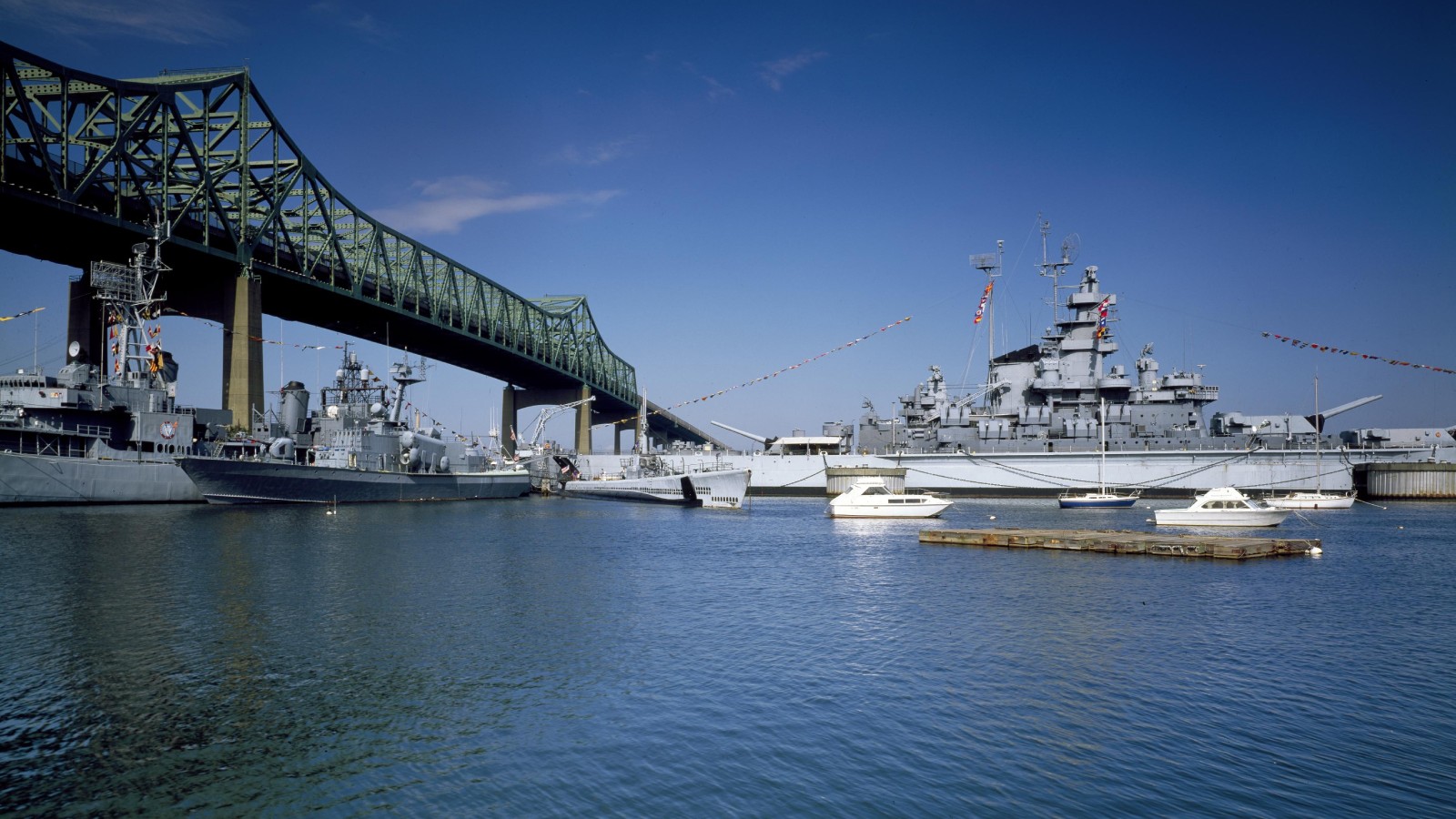
A Veterans Day walk through the places the South Coast has kept for those who served: the Fairhaven fort that rose from its ashes in 1778, the granite fort at Clark's Point named for a New Bedford officer killed in 1863, Sgt. William H. Carney's flag, and the battleship that came home to Fall River and holds the state's World War II memorial.
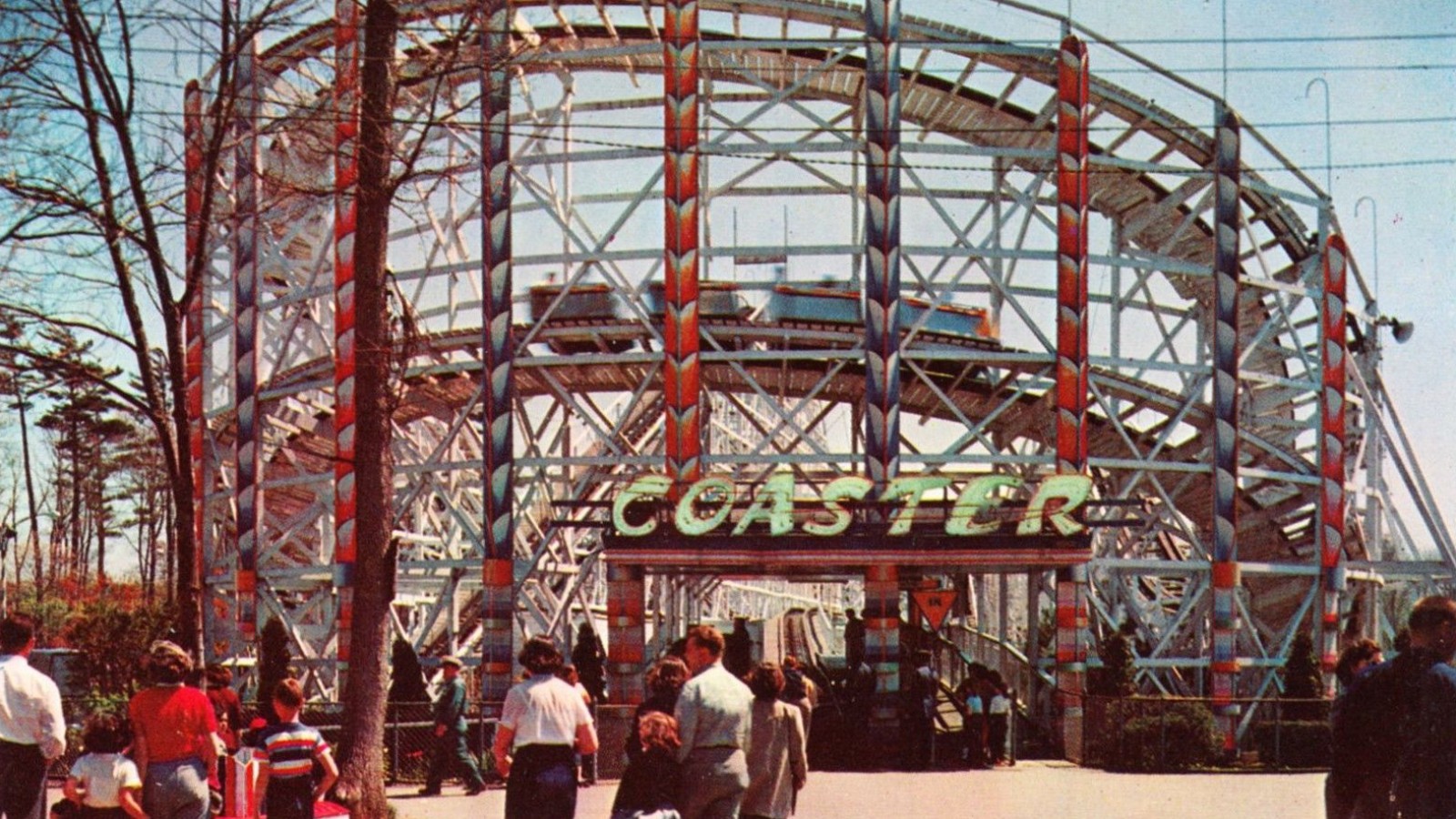
Lincoln Park in North Dartmouth opened in 1894 as a trolley company picnic ground and closed in December 1987, leaving memories of the Comet, the ballroom, the Ferris wheel and a carousel that is now in Fall River.
Taunton voters approved a city electric plant 1,952 to 1,760 on Dec. 8, 1896. A court set the price of the private company at $125,000, and the city took over on July 1, 1897, running the plant it still owns as the Taunton Municipal Lighting Plant.
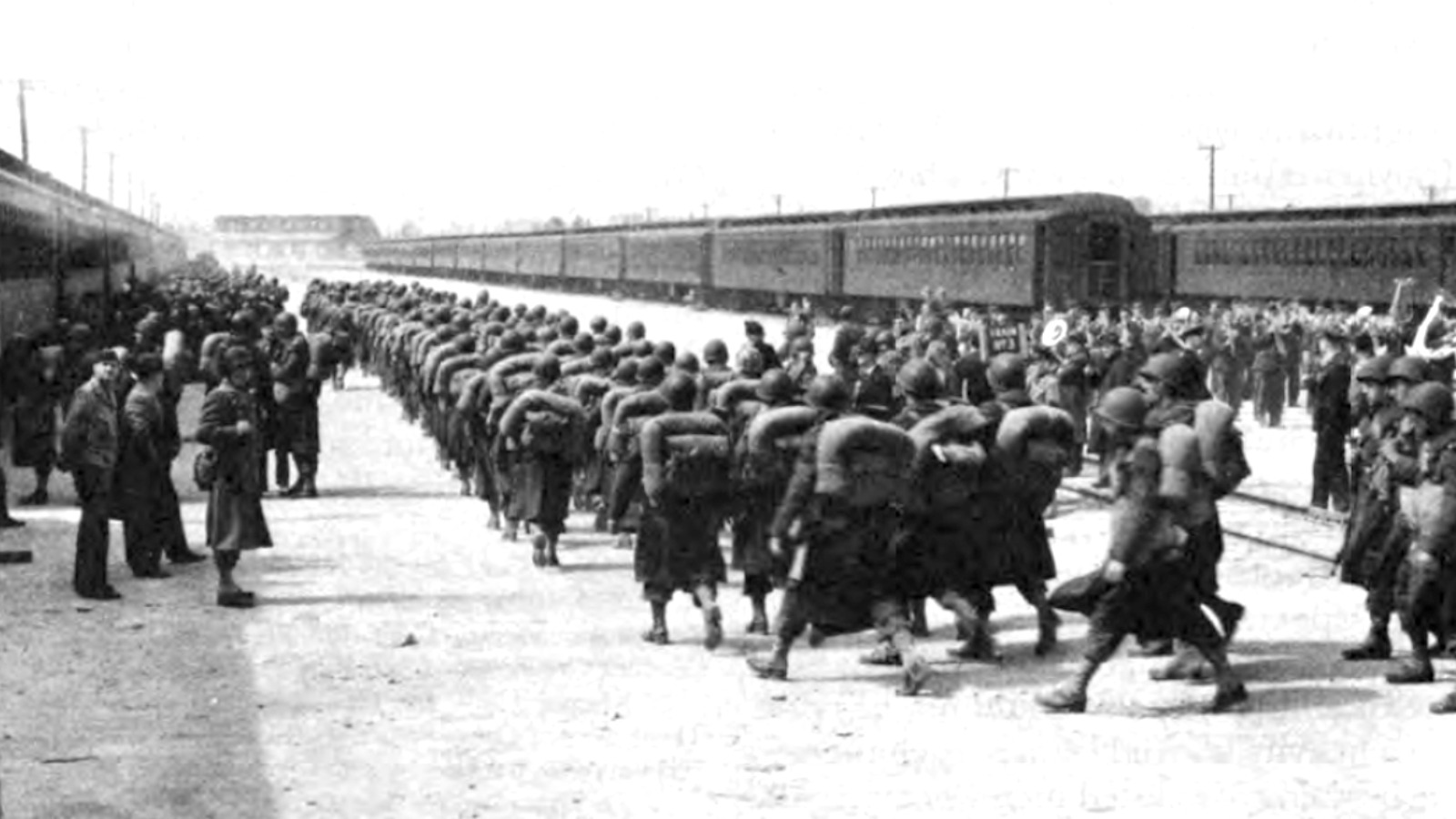
From 1942 to early 1946, the land that is now the Myles Standish Industrial Park in Taunton was the Army staging area for the Boston Port of Embarkation. Soldiers spent their last days in the country there before shipping out, prisoners of war were held there, and men coming home passed back through.
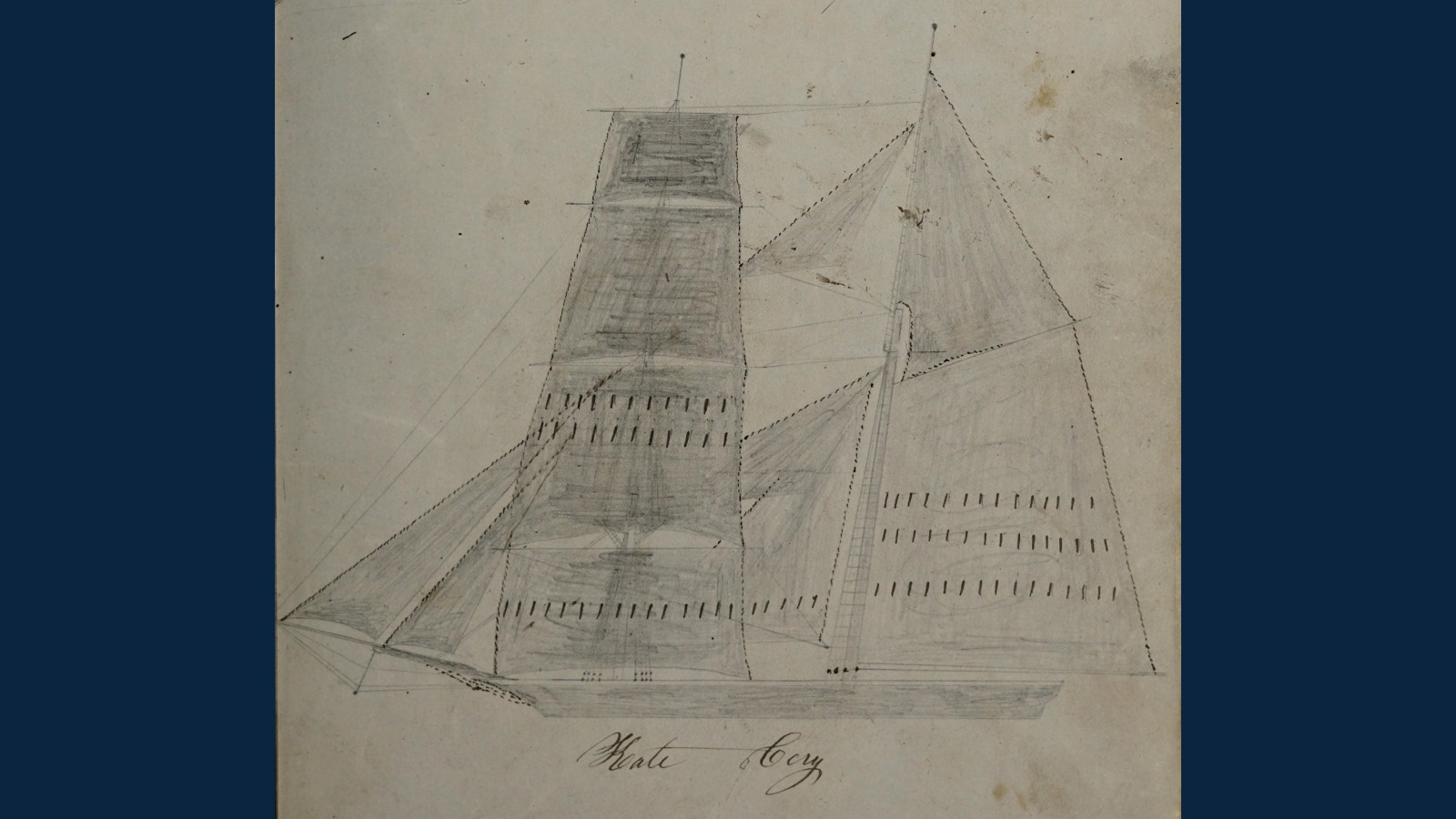
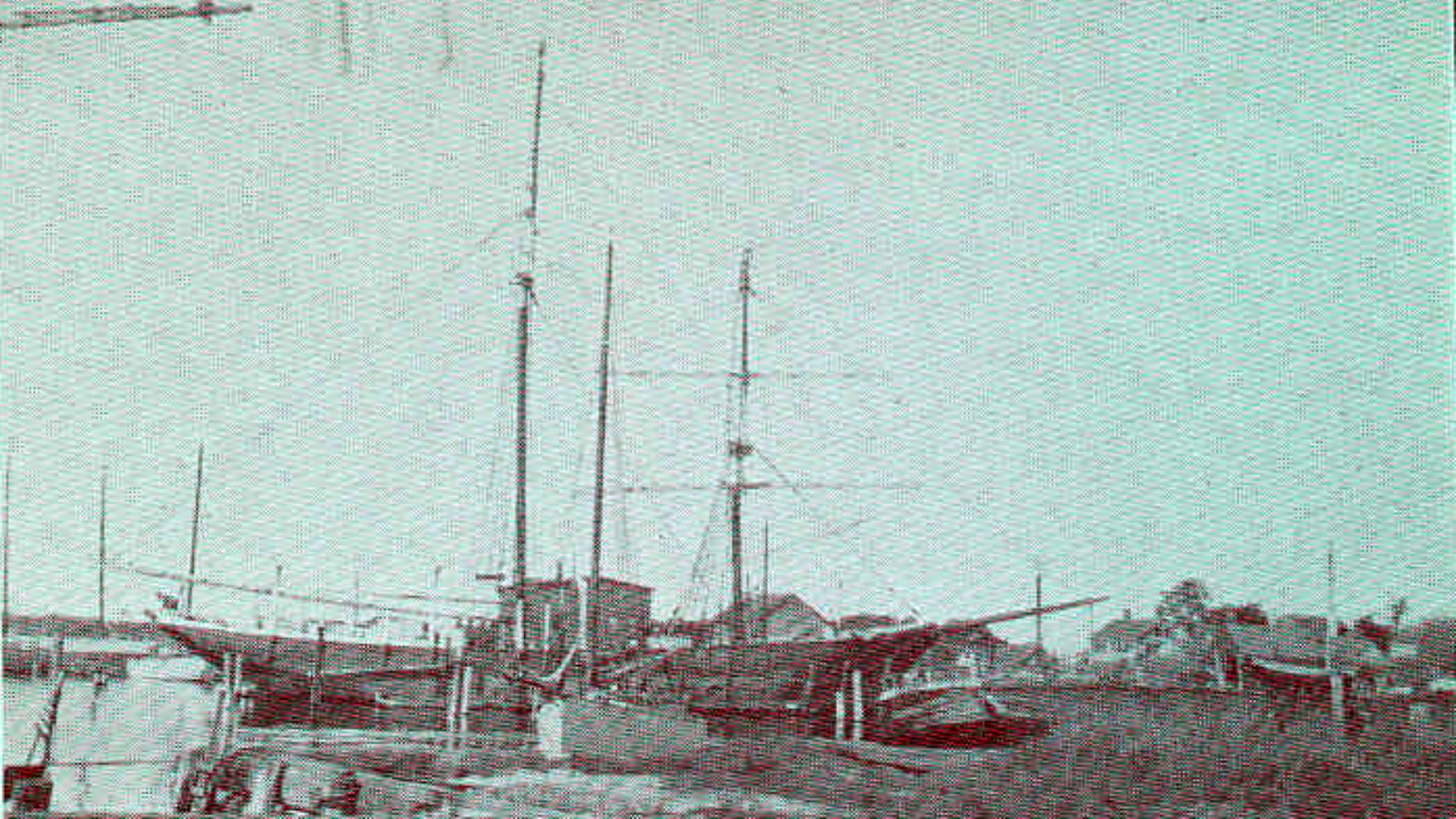
Westport sent 309 whaling voyages to sea. The Kate Cory, the last whaler built in town, came from the Point in 1856, and the raider Alabama burned her in 1863.
Fairhaven sent out 576 whaling voyages, and about 50 of its vessels were at sea or sailing in 1854. In the Civil War three of its ships were sunk off Charleston and the bark Favorite was burned in the Bering Strait.
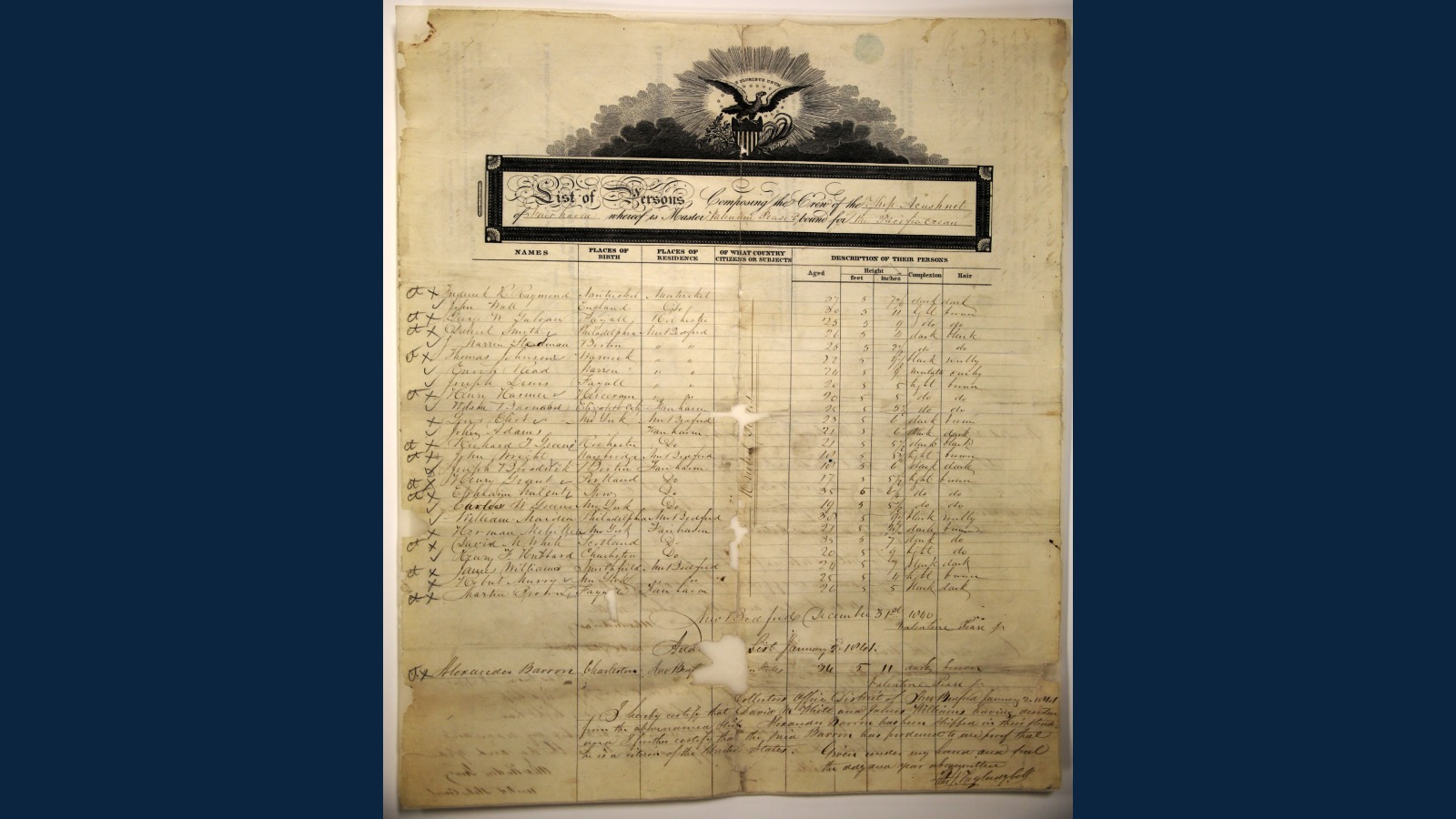
Herman Melville was 21 when the whaleship Acushnet of Fairhaven sailed for the Pacific on Jan. 3, 1841, his name sixth from the bottom of her crew list. "Moby-Dick" came out 10 years later, and its New Bedford chapel, by way of a 1956 film, gave the Seamen's Bethel a ship's bow pulpit it did not have in 1840.
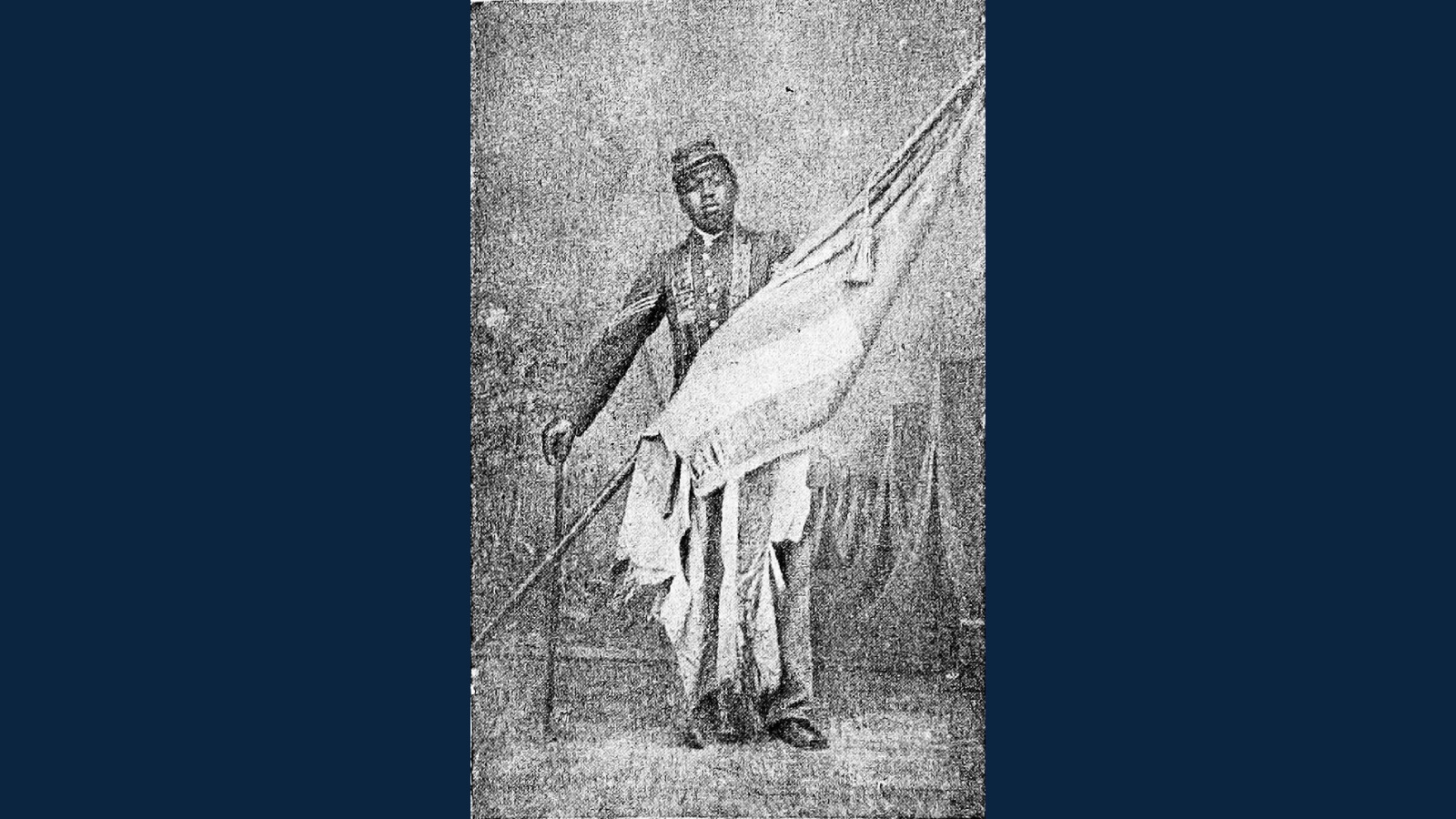
William H. Carney, a New Bedford seaman who had enlisted at 22, carried the 54th Massachusetts flag up the wall of Fort Wagner on July 18, 1863, and brought it back with two wounds. He later carried the mail in the city for nearly 32 years and received the Medal of Honor in 1900.
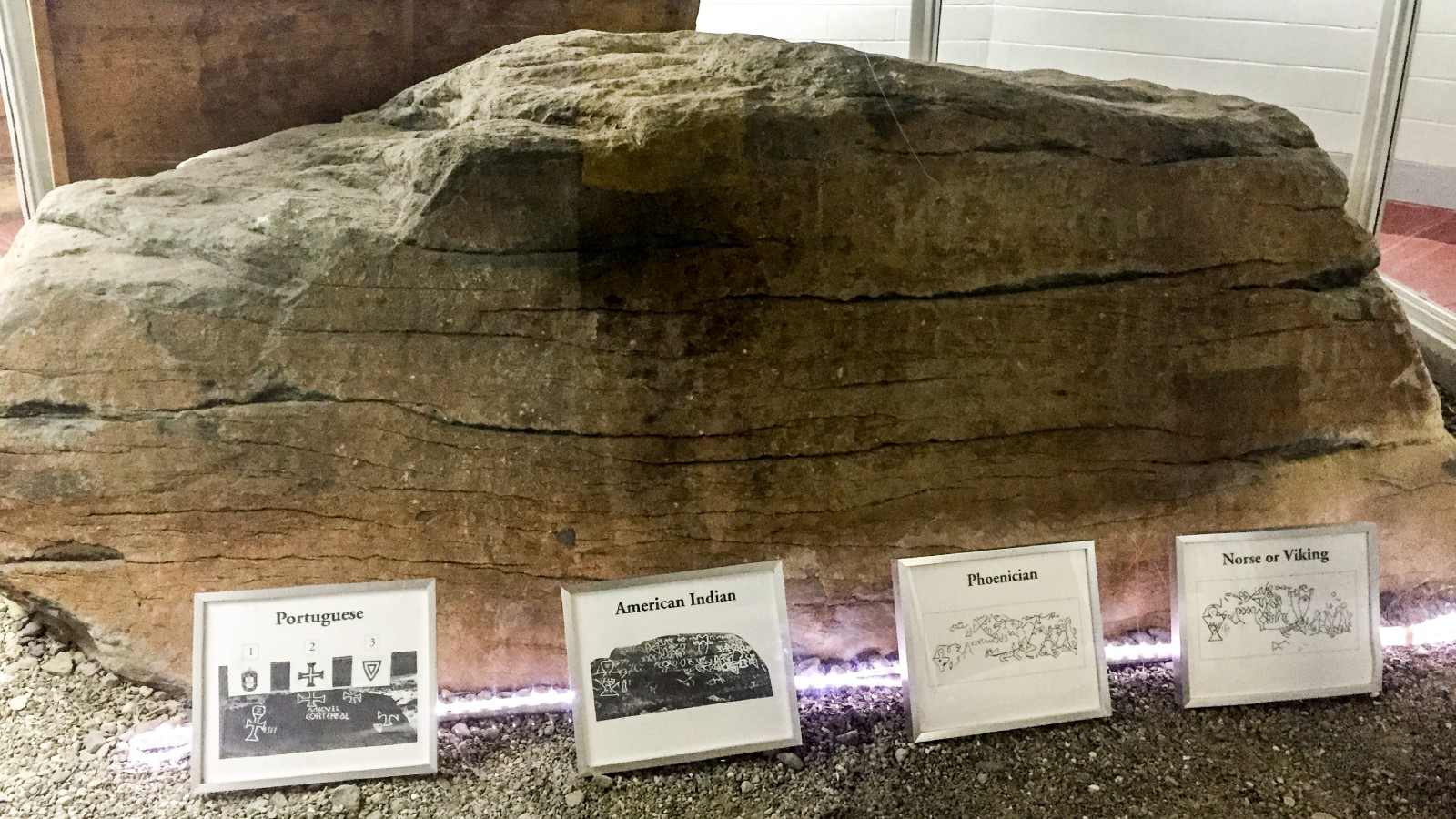
First drawn in 1680, the carved boulder known as Dighton Rock has been credited to Phoenicians, Norse explorers, a lost Portuguese captain and the Native people of the river. The state raised it out of the Taunton River in 1964, and it now sits in a museum at Dighton Rock State Park in Berkley.
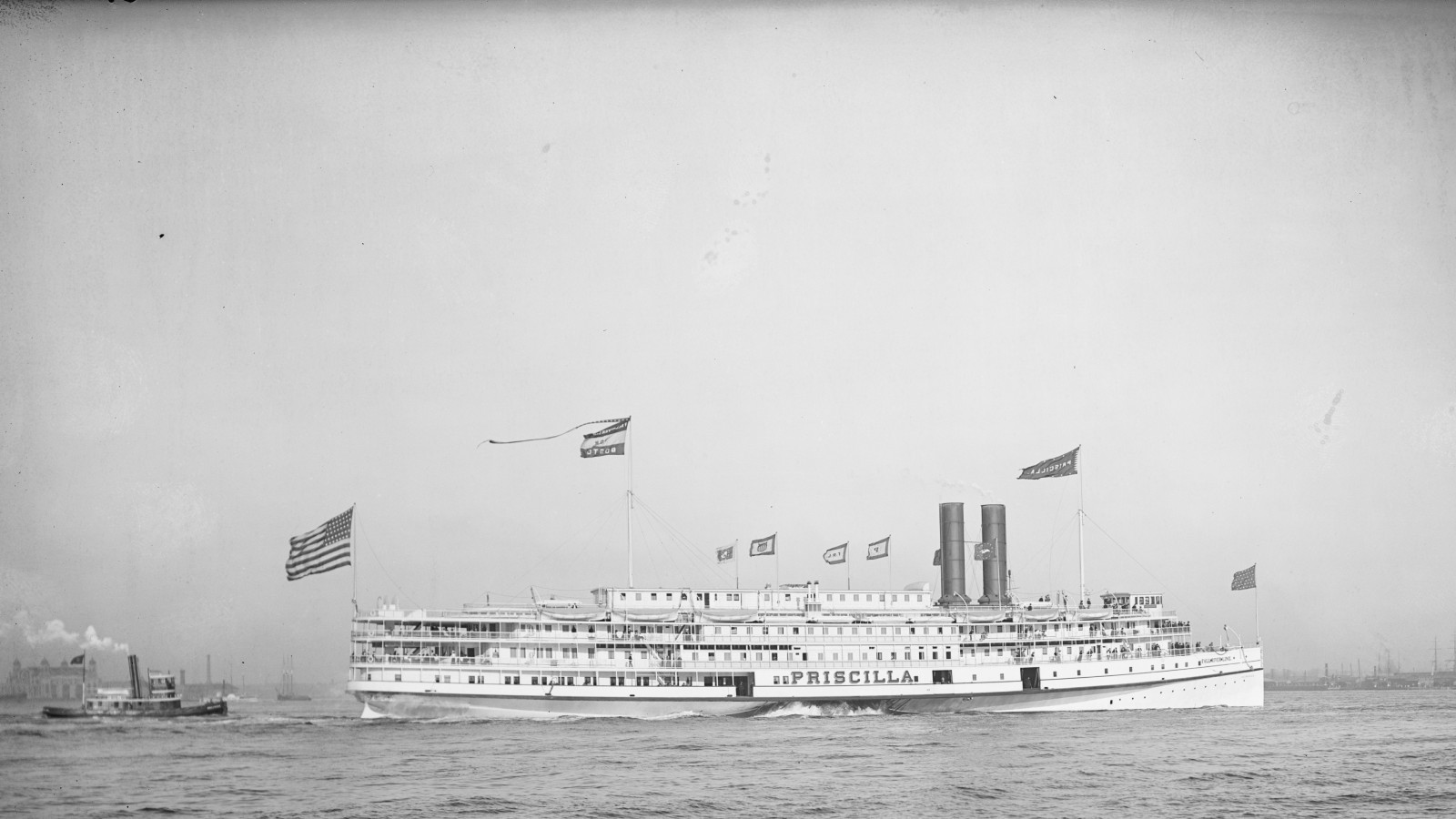
From the Bay State in 1847 to the Priscilla and the Commonwealth in 1937, the Fall River Line ran overnight steamboats to New York for 90 years, nearly all of them from the Fall River wharf, until a strike in July 1937 ended it.
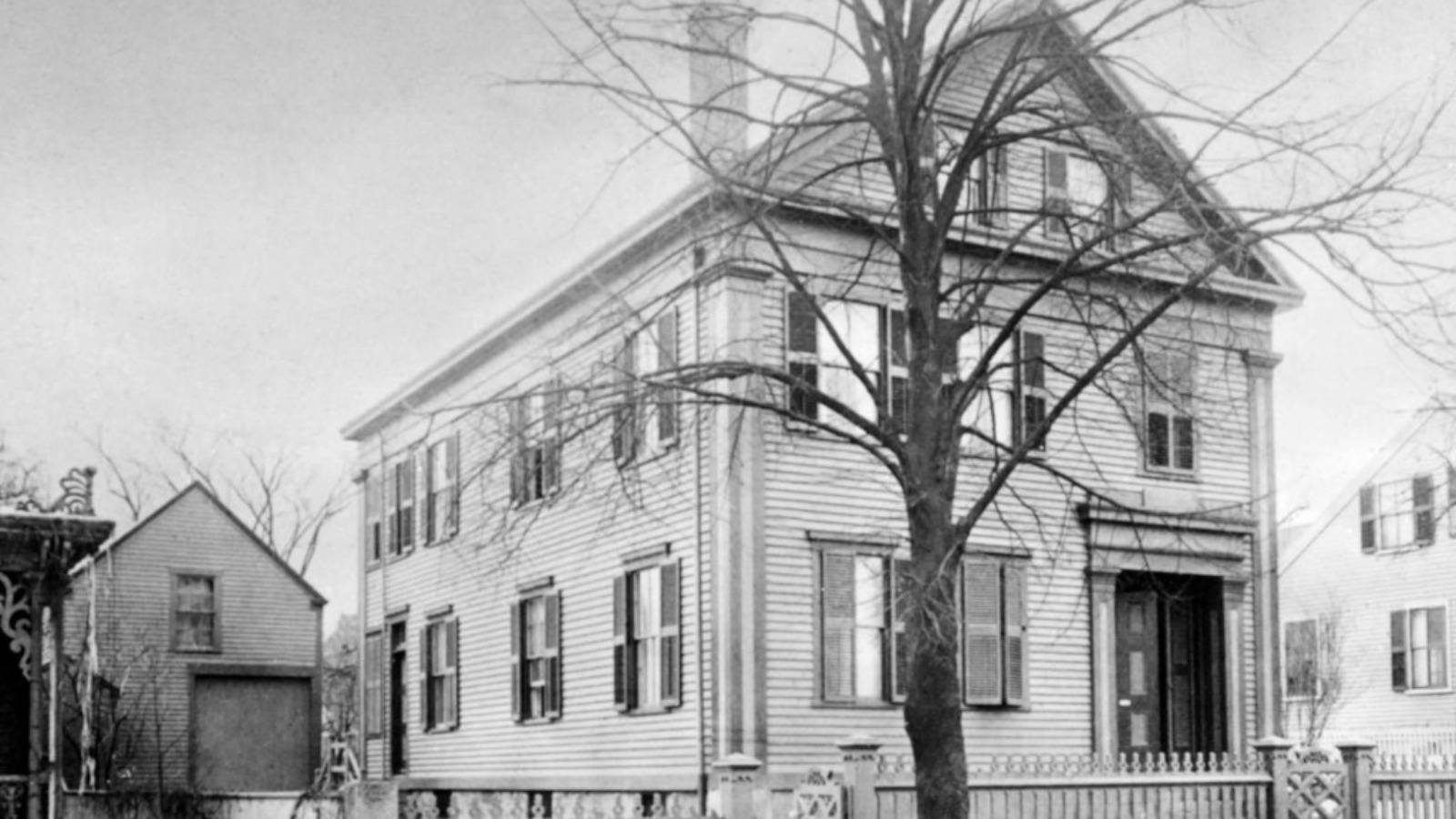
Andrew and Abby Borden were killed in their Second Street home in Fall River on Aug. 4, 1892, and a New Bedford jury acquitted Lizzie Borden on June 20, 1893. An SC360 Special on what the inquest, the hearings and the trial put on the record, and how the rhyme and the ghost stories differ from it.
Reed & Barton grew from a rented Taunton room where Britannia ware was made in 1824 into a Mill River works of 800 to 900 people. It filed for bankruptcy in 2015, when Lenox bought its operating assets, and its brick mills are on the National Register.
Joshua Slocum rebuilt the old sloop Spray in a Fairhaven field for $553.62 in materials, sailed her alone around the world from 1895 to 1898 and tied her up again at the stake where she was launched.
Get the Daily BriefOur free email with the South Coast's local news, in your inbox each morning.